Technology and research: improving the future of precision cancer care
By Associate Professor Matthew Foote, Icon Group Deputy Chief Medical Officer and Radiation Oncologist

By Associate Professor Matthew Foote, Icon Group Deputy Chief Medical Officer and Radiation Oncologist
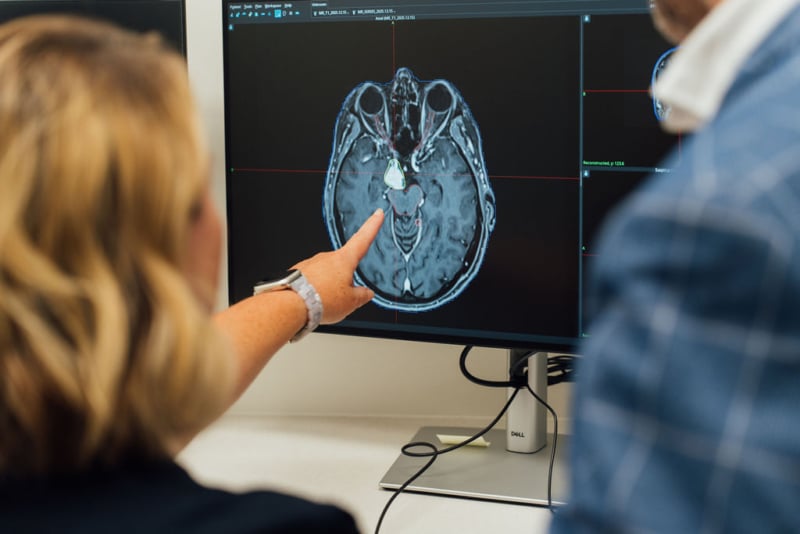
Over the past decade, precision radiotherapy has transformed the way we treat many cancers. Technologies such as Gamma Knife, CyberKnife and adapted Linear Accelerators have enabled highly targeted approaches, including stereotactic radiosurgery (SRS) and stereotactic radiotherapy (SRT), allowing clinicians to deliver high-dose treatment with exceptional precision while minimising the impact on surrounding healthy tissue.
While expanding access to these technologies is an important step forward, access alone is not enough. Their greatest value lies in the opportunities they create to answer the next generation of clinical questions and generate the evidence that will shape the future of personalised cancer care.
Innovation in cancer care is most meaningful when it is accompanied by rigorous clinical research. Every advance in treatment presents an opportunity to better understand not only whether it works, but how it can be refined, where it offers the greatest benefit to patients and how it can be integrated into increasingly personalised models of care.
Across Icon’s national network, advanced radiotherapy platforms are enabling clinicians to study treatment outcomes in real-world settings. This research is helping to build a stronger evidence base across different tumour types, patient populations and clinical scenarios, providing insights that extend well beyond individual centres.
This includes evaluating how highly precise radiation approaches can be optimised, how they compare with existing standards of care and how they may be combined with emerging therapies to further improve patient outcomes.
Advanced stereotactic technologies are creating new possibilities to explore how highly targeted radiation can be combined with immunotherapy, targeted systemic therapies and other emerging treatments to further improve outcomes.
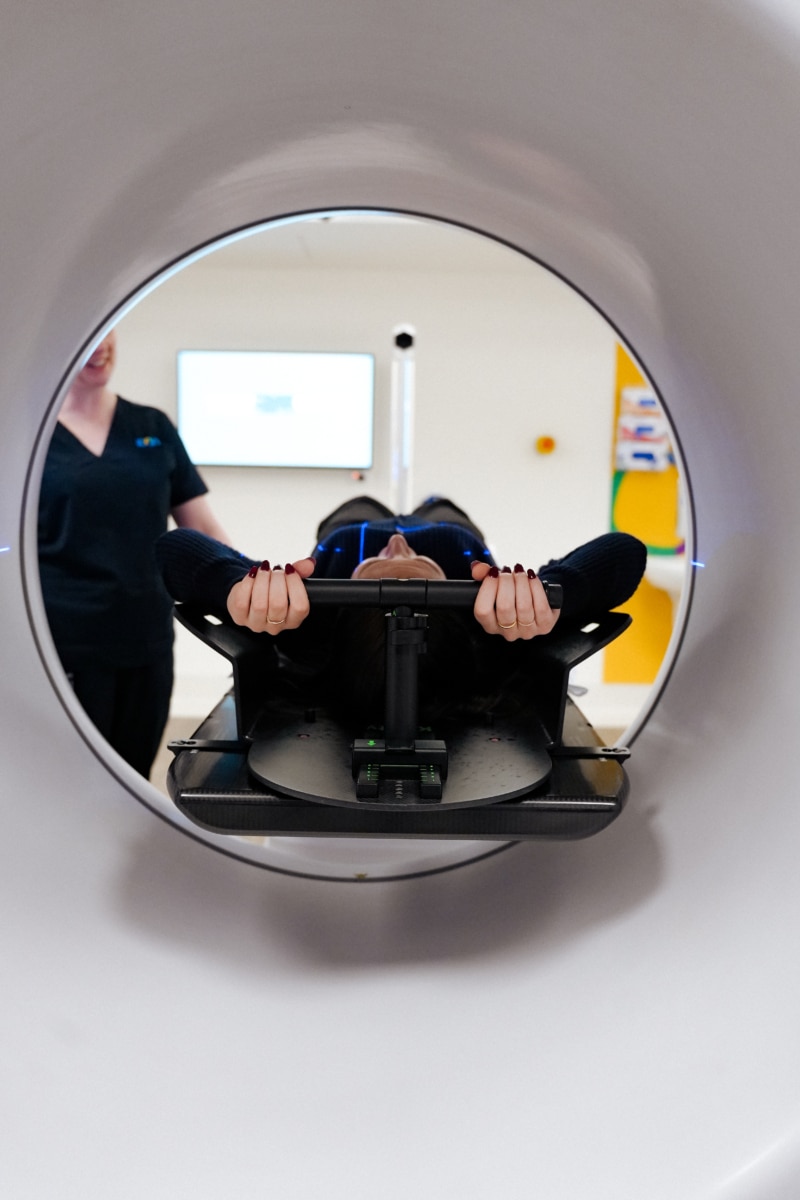
There is also significant potential to integrate stereotactic radiotherapy with theranostics, combining targeted diagnostic imaging and treatment approaches to better personalise care.
Beyond their current applications, these technologies provide an opportunity to evaluate new indications across both malignant and benign conditions, helping define where patients are most likely to benefit.
As precision medicine continues to evolve, research will remain essential to ensuring these technologies are used safely, effectively and to their fullest potential.
Turning innovation into meaningful advances in patient care requires more than access to technology alone. Progress depends on strong clinical leadership, dedicated research infrastructure and investment into research that answer clinician questions.
Icon’s national network of treatment centres, supported by multidisciplinary teams of oncologists, radiation therapists, physicists and healthcare professionals, provides a strong foundation for investigator-led research that reflects the realities of everyday clinical practice.
Investigator-initiated research plays a critical role in advancing radiation oncology as it enables clinicians to explore questions that emerge directly from patient care. These studies often focus on areas that may not attract commercial research investment, including uncommon cancers, rare diseases or opportunities to optimise existing treatments while reducing side effects.
Yet many of these important research questions remain unanswered, not because they lack clinical importance, but because of a lack of funding. This is where philanthropic support becomes critical.
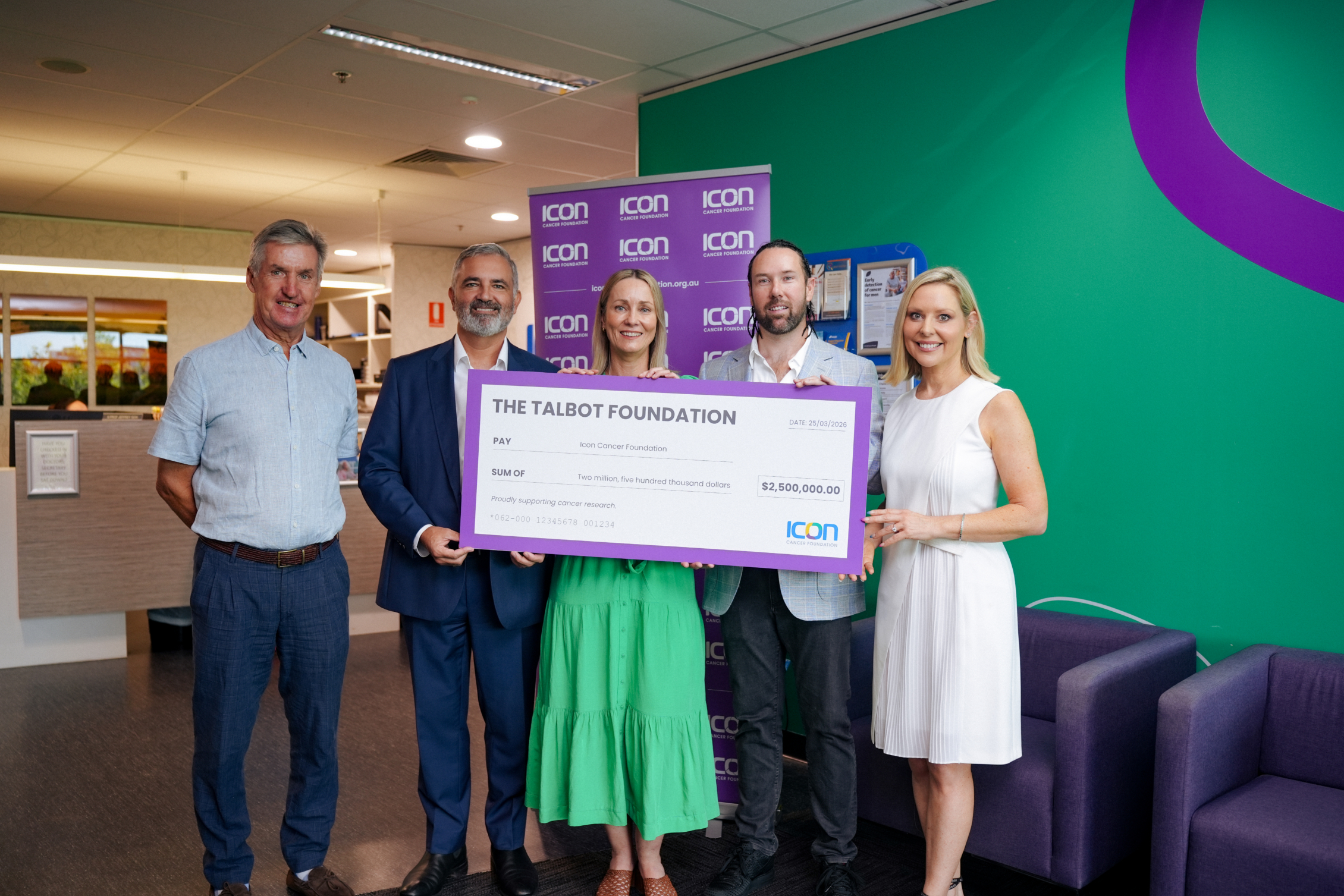
Through Icon Cancer Foundation’s support of Icon’s Investigator-Initiated Trial (IIT) Program, clinicians and researchers can design and lead studies that address gaps in knowledge and generate real-world evidence that can improve care for future patients. By funding clinician-led research, the Foundation helps ensure promising ideas have the opportunity to become evidence that informs clinical practice.
The establishment of Icon’s first Gamma Knife centre at Herston in Brisbane, Queensland’s first privately operated Gamma Knife service, demonstrates how clinical innovation and research capability can evolve together.
With more than 100 patients treated in its first four months, the service reflects growing demand for advanced precision radiotherapy. More importantly, it represents an opportunity to continually build our understanding of how these treatments perform across different patient groups and clinical indications.
Every patient contributes to a growing body of evidence that will help refine treatment approaches, optimise outcomes and guide future standards of care. This continuous cycle of innovation, evaluation and improvement is fundamental to advancing precision oncology.
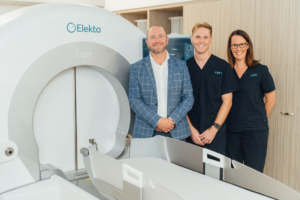
Icon Cancer Centre Herston in Brisbane is Queensland’s first privately operated Gamma Knife service.
The next generation of cancer care will continue to be shaped by advances in artificial intelligence, automation and data-driven decision making across imaging, treatment planning, quality assurance and clinical workflows.
These innovations have enormous potential to improve efficiency and precision.
However, the future of precision cancer care will ultimately be defined not by the technologies we build, but by the knowledge we generate through them.
Meaningful progress comes from asking better clinical questions, rigorously evaluating new approaches and translating evidence into everyday practice.
By continuing to invest in clinician-led, patient-centred research, we can build the evidence needed to ensure new technologies deliver their greatest impact – not only for the patients we treat today, but for future generations.
Read more from A/Prof Matthew Foote on shaping the future of stereotactic radiotherapy here.