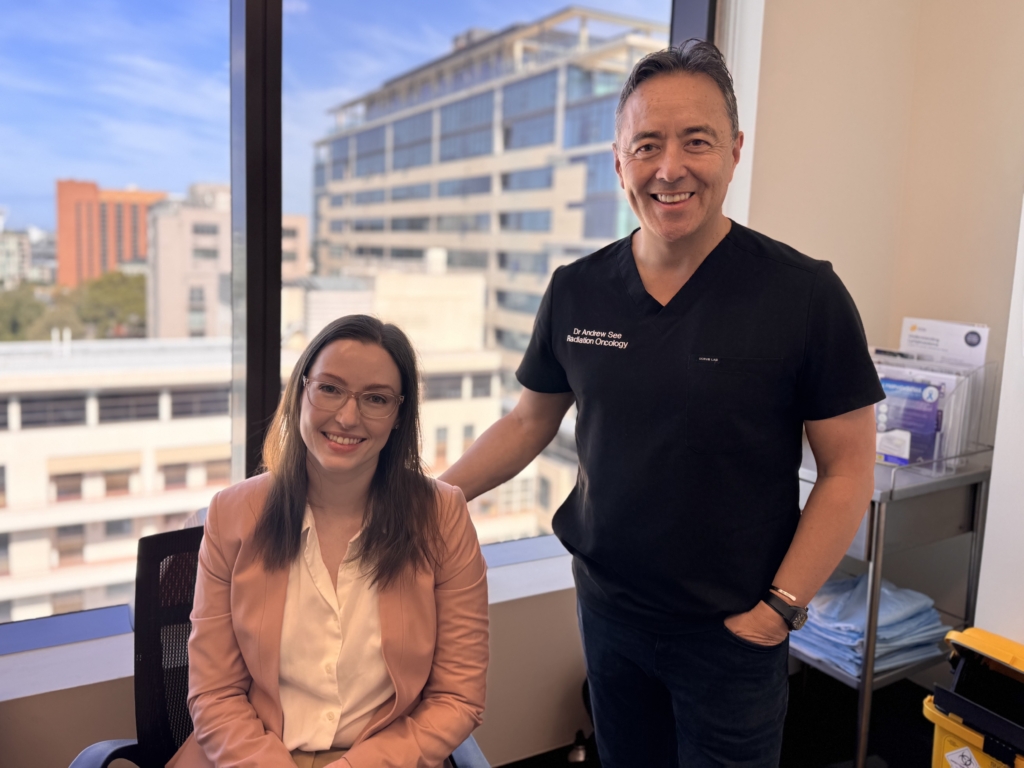
Supporting tomorrow’s cancer researchers

Icon Cancer Foundation / 09 Jul, 2026

At Icon Cancer Foundation, investing in research isn’t just about future breakthroughs – it’s about improving outcomes for patients right now.

One of the ways this happens is by supporting emerging clinician-researchers like Dr Ellen Stewart, who are working alongside experienced specialists to advance cancer care.

Through a combination of hands-on clinical exposure and research training, these opportunities are helping shape the future of oncology, while also strengthening care for patients today.

Currently undertaking a Master of Surgery at Monash University, Dr Stewart is working within the Icon Cancer Centre network under the supervision of Dr Andrew See and Associate Professor Jeremy Grummet, who is the Director of Urology at The Alfred Hospital in Melbourne.
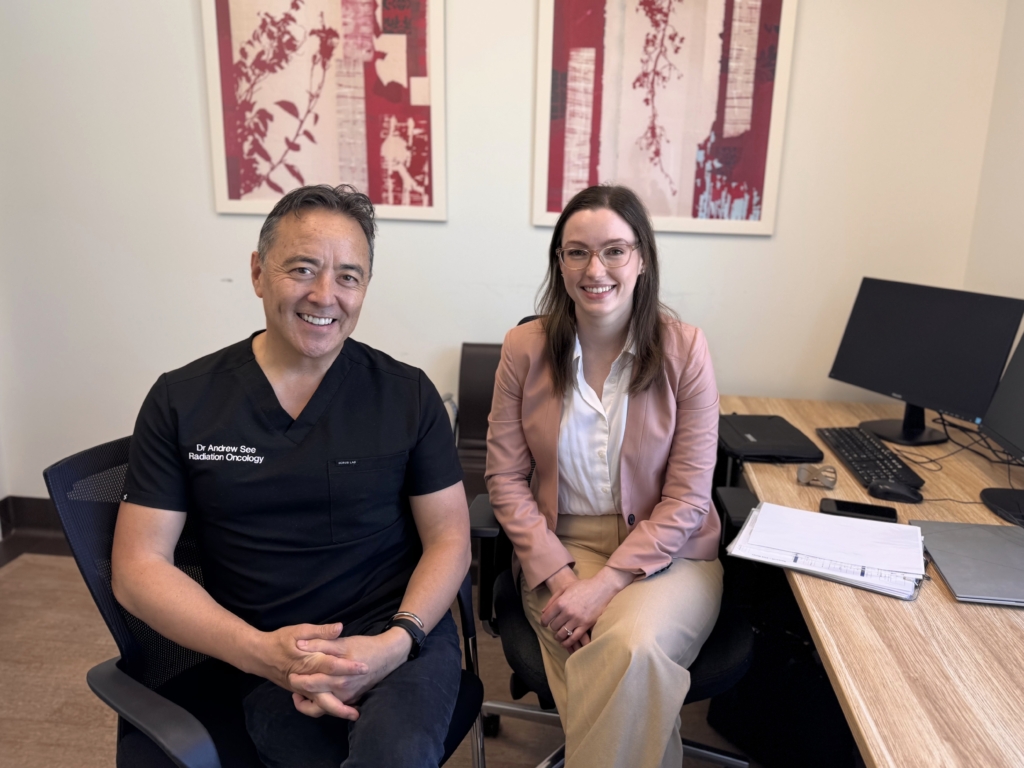
Dr Andrew See and Dr Ellen Stewart.

Learning, contributing and making a difference

Dr Stewart’s work focuses on the LIBERATE focal brachytherapy study* – a long-term clinical registry tracking outcomes for prostate cancer patients receiving low dose rate (LDR) focal brachytherapy.

This research is particularly significant, as it’s the only registry of its kind in Australia, helping clinicians better understand long-term cancer control and quality of life outcomes.

Dr See says Dr Stewart plays a valuable role in advancing this work:

“Dr Stewart’s role is focused on database maintenance, clinical assessments and contributing to manuscript write up and poster presentations within the LIBERATE focal brachytherapy program,” Dr See said.

For patients, this kind of research matters. It helps ensure treatments are continually refined based on real-world evidence, improving both survival outcomes and quality of life.

Why supporting emerging researchers matters

For Dr See, mentoring the next generation isn’t optional – it’s essential.

“Supporting emerging clinician-researchers is essential to the future of our specialty. It fosters critical thinking, strengthens evidence-based practice, and ensures continued innovation in patient care,” Dr See said.

“By supporting clinicians early in their careers, Icon is helping build a culture where research and patient care go hand in hand. And that has direct benefits for patients.

“It builds a culture of inquiry and continual improvement within the organisation. This directly benefits patients by improving access to clinical trials, strengthening real world evidence, and ensuring care is aligned with contemporary best practice.”

There’s also a long-term impact. Many emerging researchers go on to become leaders in their field, often maintaining strong connections with Icon, which ultimately benefits future patients as well.

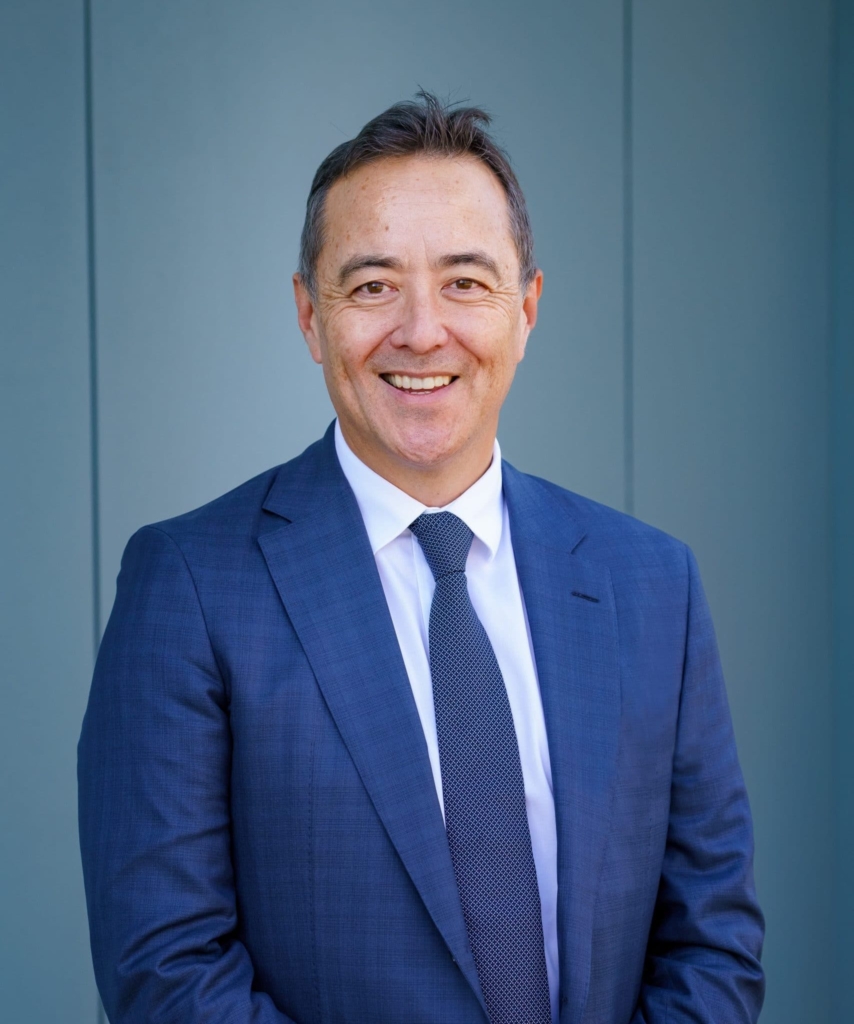
Dr Andrew See, Radiation Oncologist at Icon Cancer Centre.

A personal connection to research

For Dr Stewart, the importance of cancer research is deeply personal.

Growing up in Brisbane, she always felt drawn to medicine, inspired by the compassion and care she saw in healthcare professionals. But it was the loss of her brother to cancer that cemented her commitment to the field.

“If he was diagnosed a few years later, his treatment options could have been vastly different due to evolving research. That really highlighted early on the importance of cancer research,” Dr Stewart said.

That perspective continues to shape her work today and reinforces why ongoing research is so critical.

Bridging research and patient care

Dr Stewart’s career has taken her through both rural and metropolitan hospitals, giving her a well-rounded view of the healthcare system. Now, at Icon, she’s gaining valuable experience that connects research directly with patient care.

“Icon is a well respected and known centre which excels at supporting patients, but also leading research. I’m excited to further my research experience with the support of a knowledgeable team,” Dr Stewart said.

One of the most rewarding aspects of her role is the ability to see research come to life.

“I’m fortunate to meet participants and track their progress. It’s incredibly rewarding being linked in with like-minded, passionate researchers.”

Dr Ellen Stewart and Dr Andrew See.

Investing in better outcomes for patients

Programs like the Master of Surgery at Monash University are designed to equip clinicians with the skills to conduct important, independent research. With support from partners including BXT Accelyon and Icon Cancer Foundation, Dr Stewart can contribute to research that has immediate and long-term impact.

And that’s the key takeaway – this isn’t just about education or career development.

It’s about patients.

By supporting emerging researchers, Icon Cancer Foundation is helping ensure:

  • patients have access to cutting-edge clinical trials
  • treatments are continually improved using real-world data
  • future clinicians are trained to deliver evidence-based, compassionate care.

As Dr Stewart looks ahead to a career in urological oncology, she reflects on how important this early experience has been.

“Being aligned with Icon early on feels very serendipitous. I look forward to being involved in further urological research opportunities and projects.”


*Recent publications reporting interim results from the LIBERATE study:

Oncological outcomes post focal low‐dose‐rate brachytherapy in low‐intermediate risk prostate cancer (Feb, 2026) and Functional outcomes and toxicity following focal low‐dose‐rate brachytherapy for low–intermediate risk prostate cancer (Feb, 2026)

Program support

Dr Ellen Stewart’s Master of Surgery program is supported by BXT Accelyon and Icon Cancer Foundation.

Research funding

The LIBERATE study is currently supported by Icon Cancer Foundation and was originally established with funding from Epworth Medical Foundation.

View all News & Updates

Search

Quick links
Donate