Beyond survival

Icon Cancer Foundation / 03 Sep, 2026

For a growing number of people, particularly those living with advanced cancer, treatment may continue for many years. There may be periods when the cancer is stable, treatments change and life largely returns to normal, but there may not be a clear point at which treatment simply ends. For these patients, living well needs to be considered throughout their treatment.

For others, treatment will finish, but side effects can continue well beyond the cancer itself.

This means quality of life is an increasingly important consideration in cancer research, both during treatment and in the years that follow.

Survival will always be one of the most important measures of progress. But as treatments continue to improve, I believe we need to give the same attention to how people live with and after cancer – reducing the impact of treatment, preserving function and helping people maintain the best possible quality of life.

It is not a choice between survival and quality of life. Good cancer research should continue to ask how we can achieve both.

Looking beyond the treatment

Anyone who has worked in cancer care knows that treating the disease is only part of what a patient experiences.

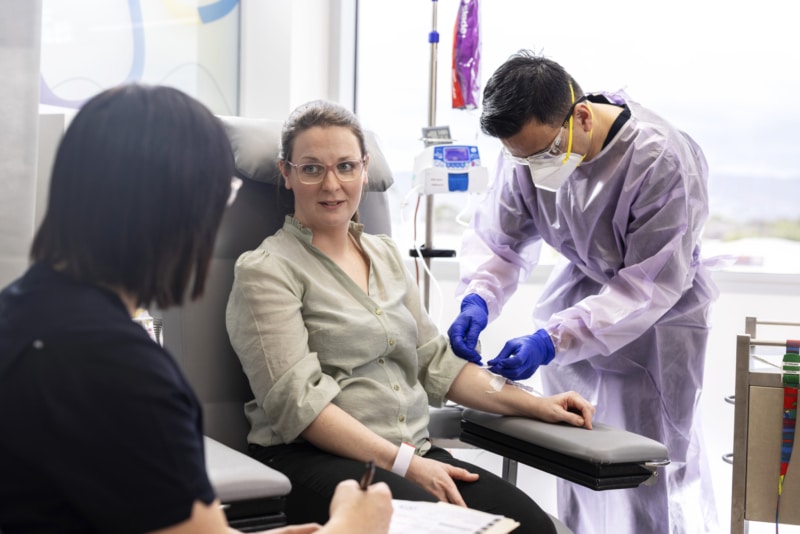
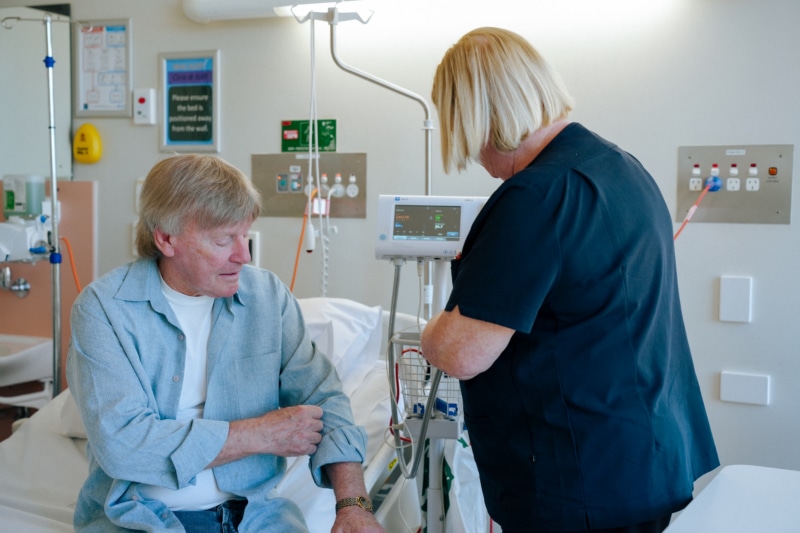
Cancer treatment can have significant side effects. Fatigue, nausea, pain, changes in mobility and nerve damage are among the issues that can affect people during treatment. Some resolve relatively quickly. Others can persist for months or years, affecting a person’s ability to work, exercise or manage everyday activities.

For people receiving ongoing treatment, managing these effects can become part of everyday life. This makes research into reducing the burden of treatment particularly important. If treatment is helping someone live longer, we should also be asking what can be done to help them also live well.

Can we deliver effective cancer treatment with fewer side effects? Can we prevent some side effects from occurring in the first place? Can we refine the way we treat cancer to better preserve a person’s function and wellbeing? And can we learn from patients’ experiences to improve care for those who come after them?

These are questions worth answering.

It is also why improving quality of life is one of the research priorities of Icon Cancer Foundation.
Different research with a common goal

One of the strengths of clinician-led research is that ideas often start with problems clinicians encounter in everyday patient care.

The ICF-supported COMPRES study at Icon Cancer Centre in Hobart is a good example. It is investigating whether compression therapy can help prevent or reduce peripheral neuropathy caused by oxaliplatin, a chemotherapy used to treat bowel and other cancers.

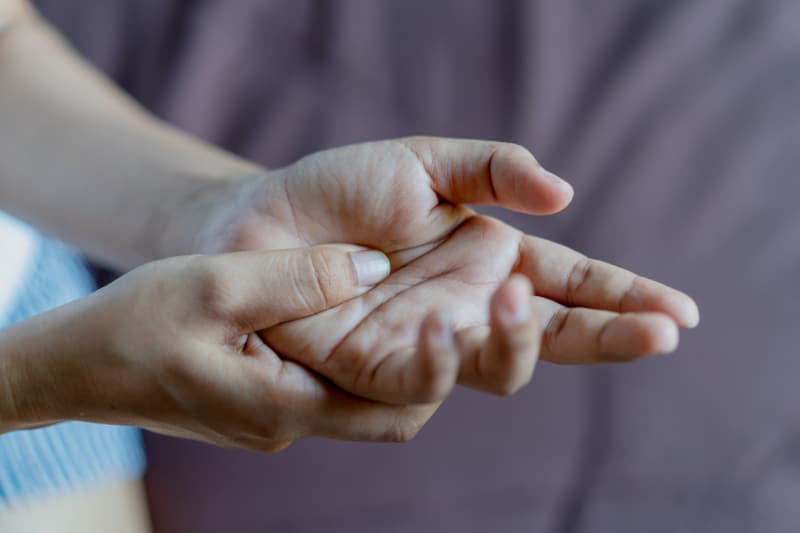
Peripheral neuropathy can cause numbness, tingling, pain and sensitivity in the hands and feet. For some patients, it can have a considerable impact on daily life, and the effects can continue after chemotherapy has finished.

The question behind COMPRES is a practical one: is there something we can do during treatment that could reduce this problem?

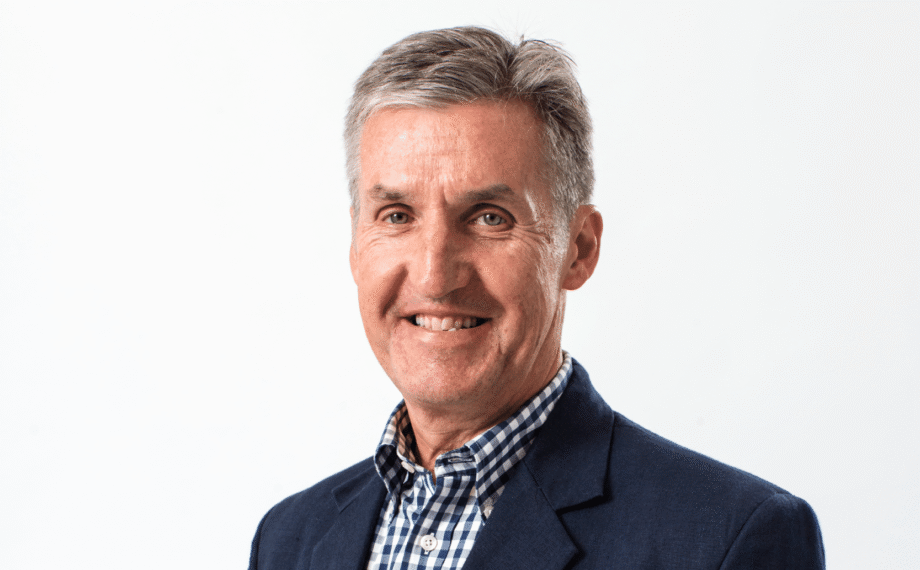
Survival will always be one of the most important measures of progress. But as treatments continue to improve, I believe we need to give the same attention to how people live with and after cancer … It is not a choice between survival and quality of life. Good cancer research should continue to ask how we can achieve both.
– Dr Jonathan Ramsay, Icon Cancer Foundation Board Chair

Quality of life can also be an important consideration when we look at how we treat the cancer itself.

The ICF-supported LIBERATE study has followed 200 men receiving focal low-dose rate brachytherapy for localised prostate cancer. This highly targeted form of radiation therapy aims to treat the cancer while minimising damage to surrounding healthy tissue and preserving urinary and sexual function in appropriately selected patients.

Over more than six years, the study has collected clinical and patient-reported outcomes, building evidence about cancer control as well as treatment tolerance, side effects and quality of life. The registry has already contributed to several peer-reviewed publications, with participants continuing to be followed to provide important longer-term data.

COMPRES and LIBERATE are very different studies, but the thinking behind them has something in common. We should always be looking for more effective ways to treat cancer. At the same time, we should continue asking whether we can reduce the impact of that treatment on the person receiving it.

Where philanthropy has a role

Research focused on quality of life can sometimes be difficult to fund through traditional channels.

There may be no new drug or technology at the end of a study. The research might investigate a practical change in care, explore an observation made by a clinician or examine an aspect of treatment that is important to patients but has limited commercial interest.

This is an area where I believe philanthropy can make a real difference.

Through Icon Cancer Foundation, philanthropic funding gives clinicians the opportunity to investigate research questions that might otherwise struggle to attract funding.

It can allow a researcher to test an idea, collect the data needed to understand whether it works and build the evidence required to take that research further.

Patient-reported outcomes are also an important part of that evidence. Clinical measures tell us a great deal about how a cancer responds to treatment. Hearing directly from patients helps us understand how that treatment affects their daily lives and whether those effects change over time.

Both perspectives matter if we want to continue improving cancer care.

What progress looks like

Cancer research has achieved a great deal, but there are still many questions we need to answer.

Some research will lead to entirely new treatments. Some will help us use existing treatments more effectively. And some may result in relatively simple changes that reduce a side effect, preserve a person’s function or make a difficult period of treatment more manageable.

All of these can make a meaningful difference.

As cancer treatments continue to improve, the experience of living with cancer will continue to change.

For some people, that will mean life after treatment. For others, it will mean living for many years with cancer and treatment as part of their lives.

Our research needs to reflect both experiences.

Helping more people survive cancer remains fundamental. But living well with and after cancer deserves the same serious attention. If research can help us treat cancer effectively while also reducing the burden of treatment and preserving the things that matter to patients in their everyday lives, that is an important measure of progress too.

Dr Jonathan Ramsay
Board Chair, Icon Cancer Foundation


Search

Quick links
Donate